
History of romaine lettuce
Romaine lettuce is one of the most traditional ingredients in the Mediterranean diet. The Persians, Greeks, and Romans cultivated it and enjoyed its properties. This vegetable is one of the most widely used in everyday meals, and its freshness makes it perfect for salads. Furthermore, lettuce has been cultivated for centuries, thus achieving a presence in different eras and places throughout world history.
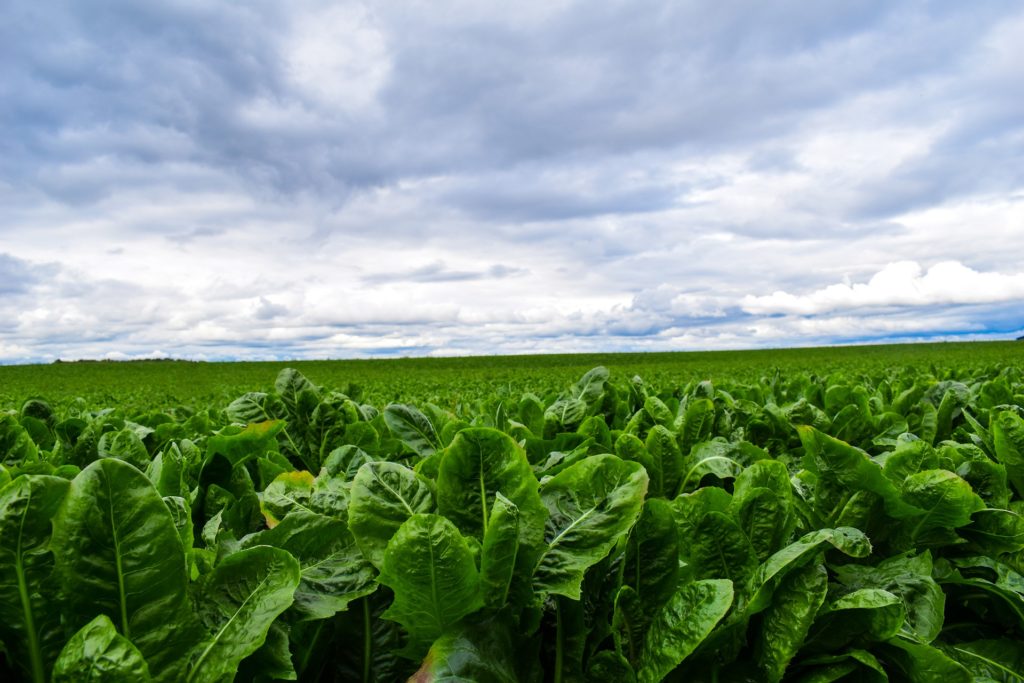
The first cultivation of romaine lettuce occurred in ancient Egypt, around 2680 BC, where it was used to obtain oil from its seeds. The Egyptians improved its cultivation until they obtained the leafy vegetable with edible leaves that we know today.
 Lettuce came to be considered a sacred plant because of Min, the god of reproduction; lettuce began to be placed near his representations when he was worshipped. As a result of its use in religious ceremonies, numerous representative images of lettuce were created on tombs and murals, these being the earliest historical records of lettuce.
Lettuce was also a very popular vegetable in ancient Greece, recorded in the writings of great figures such as Aristotle, Hippocrates, and Herodotus. From there, its popularity spread throughout the Roman Empire.
Lettuce played a significant role in the Roman Empire, as it helped the great emperor Augustus overcome a serious illness. On the advice of his physician, he based his diet on this vegetable, which considerably improved his health and marked a major milestone in history.
Never has a diet of lettuce and cold baths done so much for an empire.
Antonio Musa, doctor de Augusto
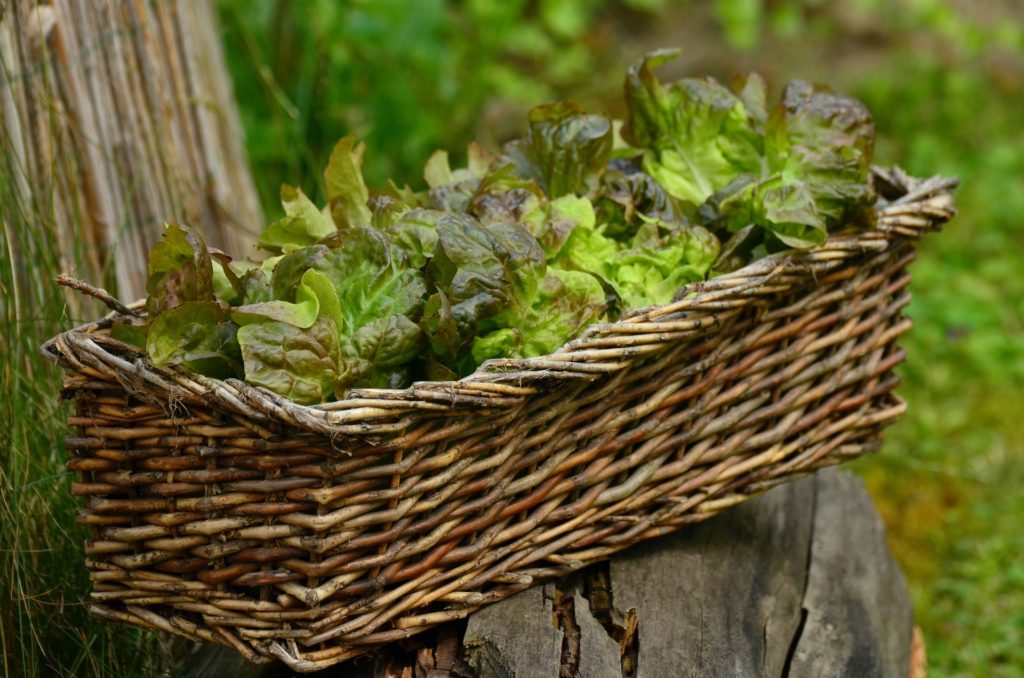
Following this, its cultivation spread throughout the rest of Europe, where it gained significant importance due to its well-known medicinal properties, popularized long before.
With its cultivation now widespread across the globe and considered a staple in any kitchen, lettuce has maintained its popularity to this day, becoming the quintessential vegetable. Furthermore, new health benefits are being discovered every day, making it a key component of the daily diet for thousands of people. Its cultivation has advanced over the decades, and its constant evolution has led to the development of other varieties such as baby lettuce and romaine hearts, which have achieved considerable market success.
Imagen https://cutt.ly/ZvAlljl Attribution 2.0 Generic (CC BY 2.0) |